What is the fourth trimester?
The fourth trimester refers to the first three months after birth, a period of significant physical and emotional transition for both the baby and the person who gave birth. While most of the attention naturally goes to the newborn during this time, the birthing parent's body is going through an equally significant recovery process that's often underacknowledged.
In Australia, the fourth trimester begins the moment the baby is born and continues through the first twelve weeks of life. It encompasses the physical recovery from birth, whether vaginal or by c-section, the hormonal shifts of the postnatal period, the establishment of feeding, and the profound psychological adjustment of new parenthood.
The physical recovery aspect of the fourth trimester is what this page addresses — specifically, what happens to your body after birth, what Australian midwives recommend for recovery, and the products that support that recovery at home.
The Frida Mom 5-step postpartum recovery regimen
Step One - Cleanse
Step Two - Wear
Step Three - Cool
Step Four - Absorb
Step Five - Soothe
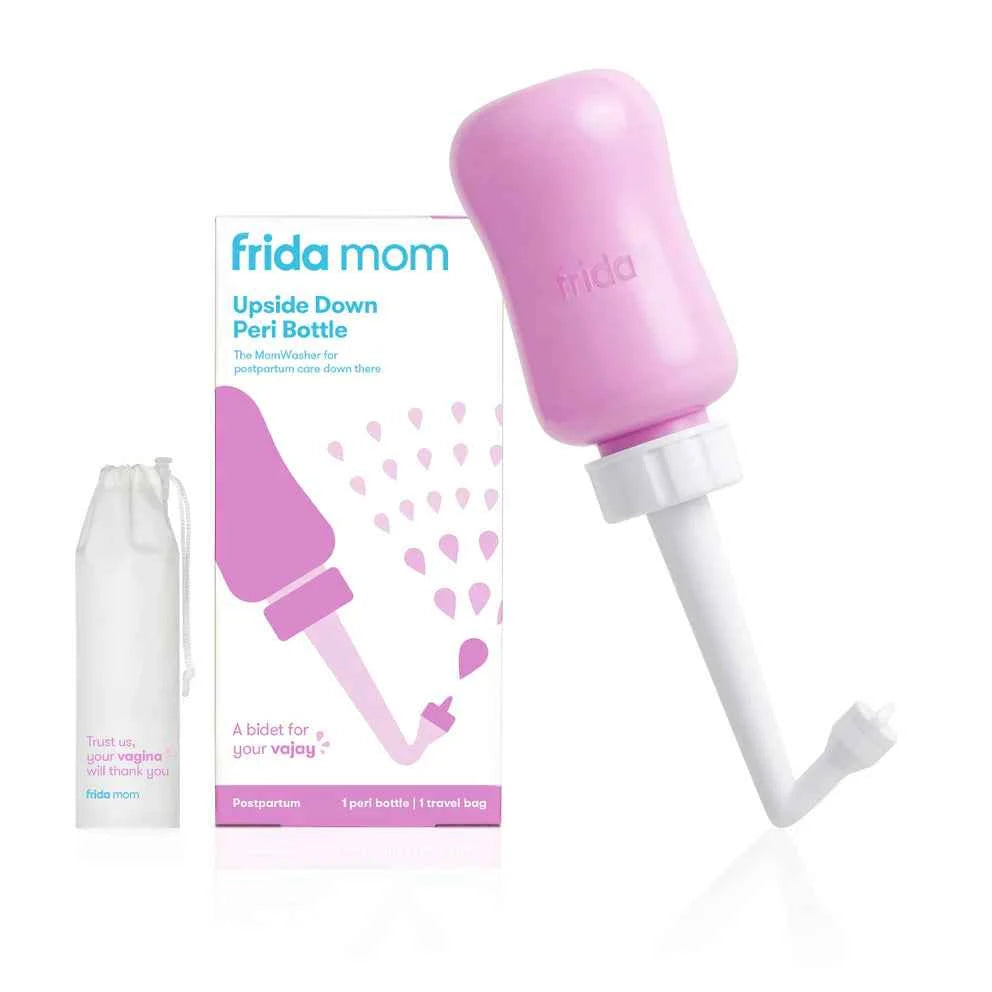
Peri Bottle
Fill with warm water. Rinse after every toilet visit instead of wiping. The angled nozzle reaches without awkward positioning. Use from the very first postpartum bathroom trip.
Soft, stretchy, mesh-free underwear that holds your recovery layers in place. High waist for c-section recovery. Boyshort for vaginal birth or personal preference. Wear and bin, no laundry - there's a win!
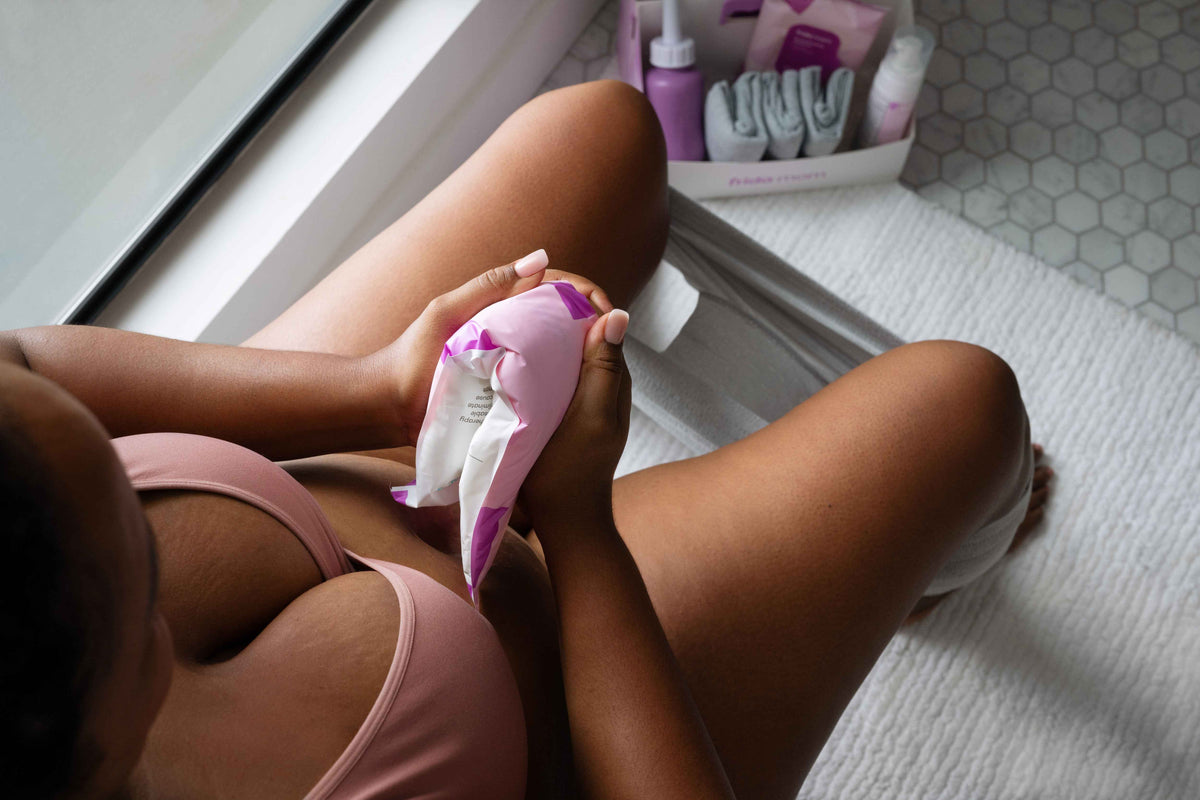
Instant Ice Maxi Pads
Bend to activate the built-in ice pack. Place inside underwear. 20 minutes of cold therapy for perineal swelling. Also a full absorbent postpartum pad. No freezer required.
Perineal Cooling Pad Liners
Witch hazel liners that lay across your full pad length. Full front-to-back coverage. Anti-inflammatory relief with every pad change. The ready-made padsicle.
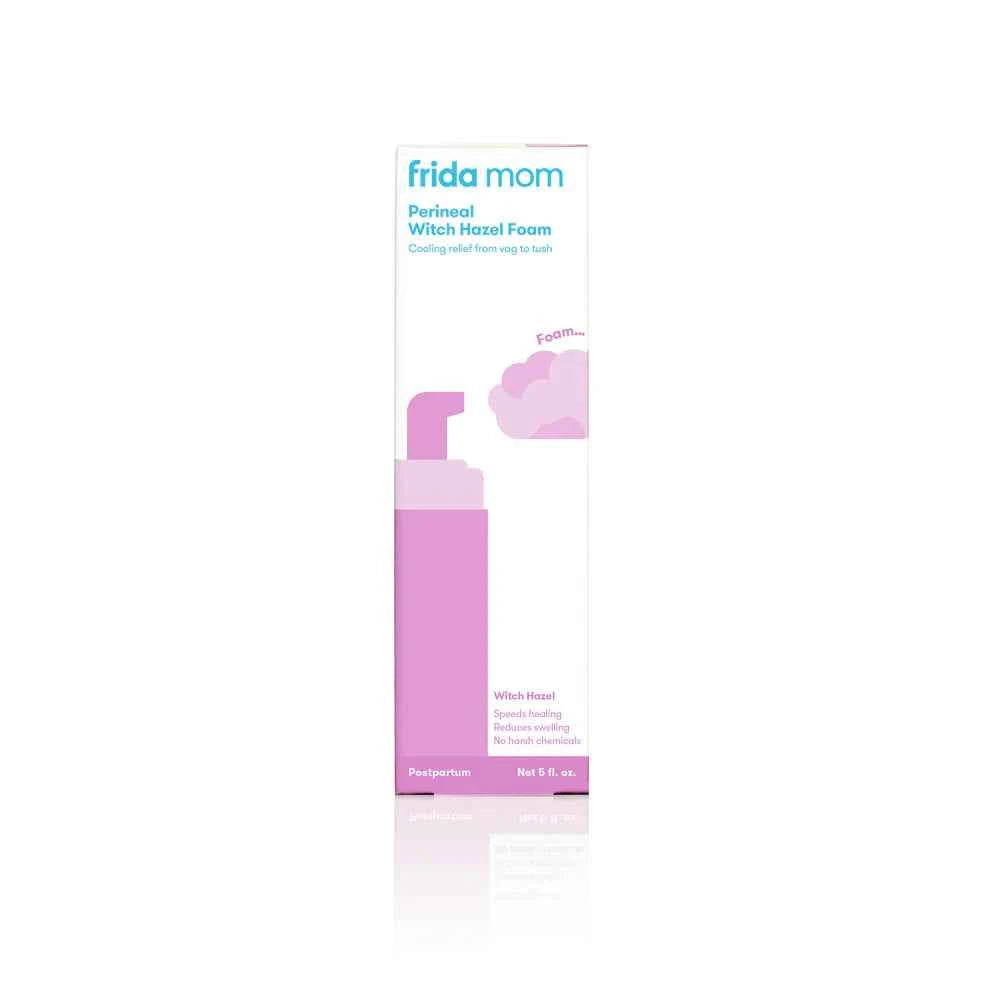
Perineal Healing Foam
Witch hazel foam that absorbs into tissue rather than the pad. One pump onto a cooling liner for targeted, concentrated relief from stitches, swelling, and haemorrhoids.
Postpartum and Recovery Essentials
What to expect from your body after birth — the honest version
Australian antenatal education does a good job of preparing you for birth. What it covers less thoroughly is what happens after birth, to your body, in your bathroom, over the following days and weeks. Here is what most mums wish someone had told them before it happened.
-
PERINEAL SORENESS & SWELLING
After a vaginal birth, the perineal area, the tissue between the vaginal opening and the anus is swollen, bruised, and often stitched from tears or episiotomy. Cold therapy and witch hazel are the primary recommended treatments. This is what the ice pads, cooling liners, and healing foam address.
-
POSTPARTUM BLEEDING (LOCHIA)
After any birth, the uterus sheds its lining over four to six weeks. The bleeding is heavier than a period in the first days, bright red and clotty which gradually lightens to pink, then brown, then yellow-white. This is normal. It requires proper maternity pads and supportive underwear.
-
POSTPARTUM HAEMORRHOIDS
Haemorrhoids are extremely common after birth, caused by the pressure of pregnancy and the pushing stage of labour. They're uncomfortable, rarely talked about, and respond well to witch hazel treatment. The cooling liners and healing foam address these alongside perineal soreness.
-
C-SECTION RECOVERY
A c-section is major abdominal surgery. Recovery involves incision site healing, limited mobility, wound care, and avoiding pressure on the scar. The recovery timeline is typically six weeks but full healing takes longer. Specific c-section recovery products and guidance are covered below.
-
WHEN TO SEEK HELP
Contact your midwife or GP promptly if you experience: soaking more than one pad per hour, fever, increasing pain rather than decreasing, unusual discharge or smell, signs of infection at any wound site, or persistent low mood or thoughts of harming yourself or your baby. These require medical attention.
-
HORMONAL CHANGES
Oestrogen and progesterone levels drop sharply after birth, causing the "baby blues", tearfulness, mood swings, and emotional sensitivity, in the first week. This is normal and usually passes. If low mood, anxiety, or emotional difficulty persists beyond two weeks, speak with your GP or midwife about postnatal depression.
Recovery after vaginal birth vs c-section — what's different
Postpartum recovery looks different depending on how your baby arrived. Here's what changes between the two most common birth types in Australia and which Frida Mom products apply to each.
-
AFTER VAGINAL BIRTH
Focus is on perineal recovery, soreness, swelling, and any stitches from tears or episiotomy. Cold therapy (ice pads) and witch hazel (liners and foam) are the primary recommended treatments. The peri bottle is essential.
Underwear: Either boyshort or high waist works, choose based on comfort preference.
Most relevant products: Peri Bottle, Ice Maxi Pads, Cooling Pad Liners, Healing Foam, Boyshort or High Waist Underwear, Postpartum Recovery Kit.
-
AFTER C-SECTION
Focus is on incision healing and mobility management. The High Waist Underwear is specifically recommended, its waistband sits above the incision without pressure. The peri bottle, cooling liners, healing foam, and ice pads address postpartum bleeding and haemorrhoids, which occur regardless of birth type. Avoid direct cold application near the incision without medical advice.
Most relevant products: High Waist Underwear, Peri Bottle, Cooling Pad Liners, Healing Foam, Postpartum Recovery Kit.
Questions? We've got answers.
What is the fourth trimester?
The fourth trimester is the first three months after birth, a period of significant physical and emotional adjustment for both the baby and the birthing parent. The term acknowledges that the person who gave birth is also going through a major transition that deserves attention and care, not just the newborn. Physically, this period involves recovery from birth (whether vaginal or c-section), hormonal changes, establishment of feeding, and the gradual healing of any birth-related injuries.
How long does postpartum recovery take?
It depends on the birth and the individual. For vaginal birth with no significant tears, most mums feel significantly more comfortable within two to four weeks, though full healing of any stitches takes longer. For vaginal births with significant perineal trauma, recovery can take six to twelve weeks. C-section recovery officially takes six weeks but full internal healing continues for months. Emotionally and physically, most mums describe the first twelve weeks as the most demanding period, which is why "fourth trimester" spans that window.
What do I actually need for postpartum recovery?
For the immediate postpartum period, the hospital stay and first week at home, the essentials are: a peri bottle for post-toilet rinsing, instant ice pads for cold therapy, soft disposable underwear, witch hazel cooling pad liners, perineal healing foam, and maternity pads. The Frida Mom Postpartum Recovery Kit contains all of these except maternity pads in a single order. Beyond the first week, most mums continue using the liners, foam, and peri bottle for two to four weeks as healing continues.
What is the difference between the Postpartum Recovery Kit and the Labour & Delivery Kit?
The Postpartum Recovery Kit contains the five-step postpartum recovery regimen, peri bottle, underwear, ice pads, cooling liners, healing foam, and caddy. The Labour & Delivery Kit contains everything in the Recovery Kit plus a labour and delivery gown, a pair of grip socks, and a toiletry carry bag. If you're building a hospital bag, the Labour & Delivery Kit is the more comprehensive choice. If you're focused purely on postpartum recovery at home, the Recovery Kit covers everything you need.
Are these products safe to use while breastfeeding?
The witch hazel in the cooling liners and healing foam is applied topically to the perineal area, t is not ingested and is not absorbed systemically in meaningful quantities. The products are used externally and are not contraindicated during breastfeeding. As always, if you have specific health concerns, discuss them with your midwife, GP, or lactation consultant.
Where can I find support for postnatal depression or anxiety in Australia?
PANDA (Perinatal Anxiety & Depression Australia) offers free support for new parents experiencing postnatal depression, anxiety, or other mental health difficulties during pregnancy and the first year after birth. Contact PANDA on 1300 726 306 (Monday to Saturday, 9am–7:30pm AEST). Your GP, midwife, or child health nurse can also provide a referral to appropriate mental health support.