


Frida Baby ToothHugger (Yellow)
- Regular price
-
$16.99 - Regular price
-
- Sale price
-
$16.99
Triple-angle head — cleans all 3 sides at once
Dentist-recommended brush design
Colour-change bristles signal when to replace
Brushing a toddler's teeth with a standard toothbrush involves chasing them around the bathroom while they clamp their mouth shut, wrestle your hand away, and eat the toothpaste.
The ToothHugger makes the whole operation faster, like a lot faster.
The triple-angle brush head hugs the tooth from three sides at once, cleaning the front, back, and biting surface in a single pass.
Ten seconds per tooth. Done before they've had time to mount a proper protest.
Couldn't load pickup availability
What's in the Box
- 1 × Frida Baby ToothHugger (Yellow)
- Colour-change bristles included — blue fades to white when it's time to replace
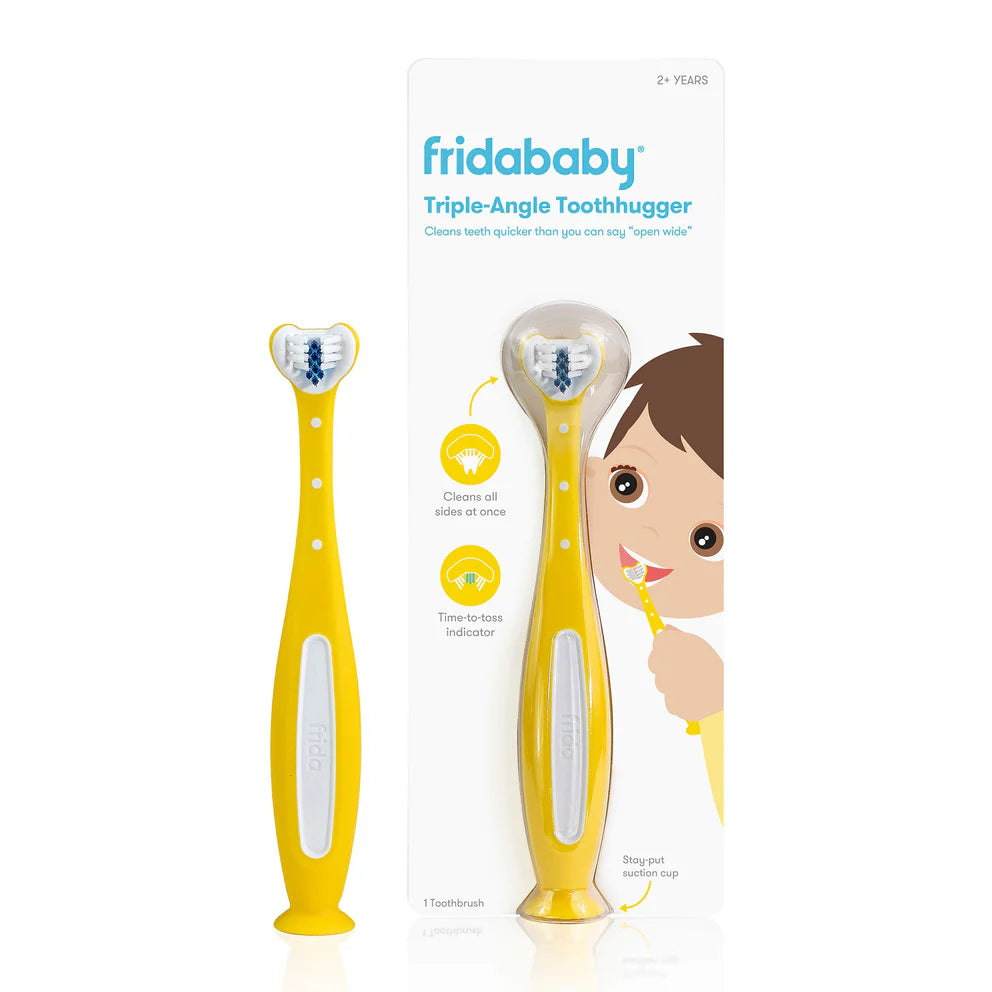
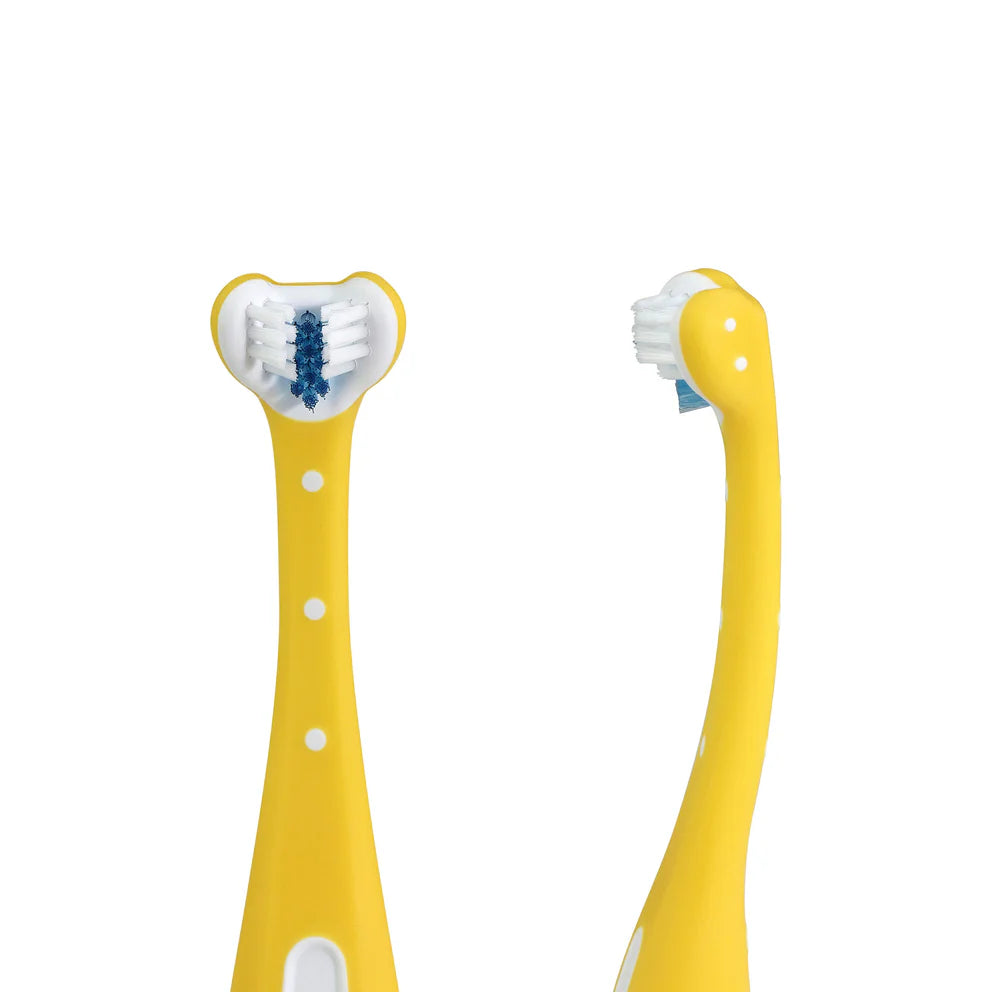
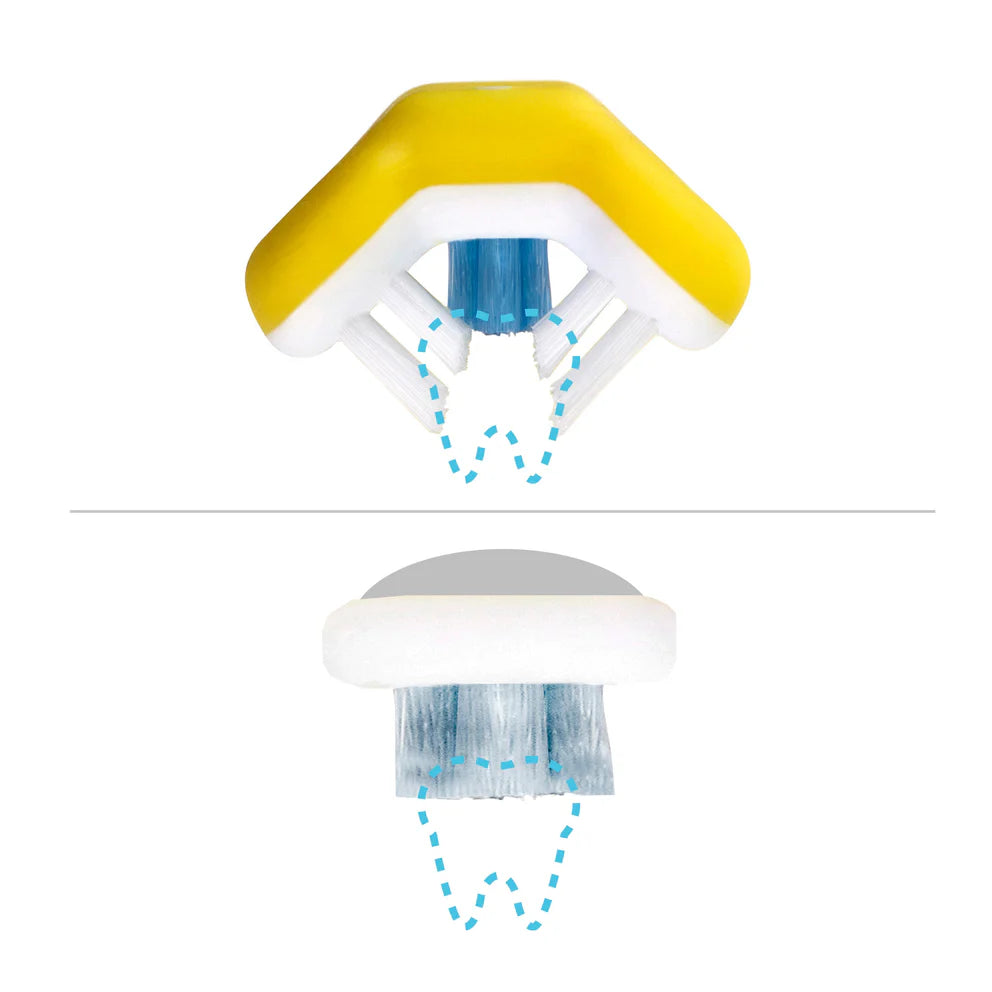

Three sides of every tooth. One pass. Before they escape.
Toddlers have strong opinions about tooth brushing and limited patience for it. The ToothHugger works with both, cleaning all sides of every tooth simultaneously, so the whole job is done in the time it takes your toddler to decide they're not cooperating.

Why brushing a toddler's teeth is hard, and why speed is the answer
Toddlers between 18 months and 3 years old are physiologically incapable of effective independent tooth brushing, their fine motor skills aren't developed enough to reach all surfaces of their own teeth, which means parents need to be doing the actual cleaning. The challenge is that toddlers increasingly have opinions about being cleaned, and those opinions are frequently negative and loudly expressed.
The most effective strategy endorsed by Australian paediatric dentists is to make the brushing window as short as possible while covering as much tooth surface as possible. A two-minute brush with a standard toothbrush, which can realistically only clean one surface at a time, becomes a much more manageable 30-second effort with a three-sided brush that cleans all surfaces simultaneously.
The Frida Baby ToothHugger's triple-angle head wraps around each tooth and cleans the front (labial), back (lingual), and biting (occlusal) surfaces in a single pass.
What takes a standard toothbrush six strokes takes the ToothHugger two. The battle is shorter. The coverage is better and your toddler's teeth actually get clean.
Built for toddlers. Designed for parents who are tired.
-
Triple-angle brush head
Cleans front, back, and biting surfaces of every tooth in a single pass. Dentist-recommended cleaning coverage in less time and with less cooperation required from the toddler.
-
Colour-change indicator bristles
Blue bristles fade to white over approximately three months, the recommended replacement frequency for toddler toothbrushes. Visual cue means you don't have to remember when you last bought a new one.
-
Easy-grip soft silicone handle
Ergonomic handle that's comfortable for both parent and toddler to hold. Soft silicone provides grip even with wet hands. Easy for toddlers to hold themselves as they begin to learn the brushing motion.
-
Stay-put suction cup
The base suctions to bathroom benches and sink surrounds, keeping the brush upright, bristles up, and off the bench surface. No more fish-in-a-cup storage or brushes rolling onto the floor.
-
Soft rounded bristles
Gentle on toddler enamel and gums. The bristles bend rather than break when your toddler clamps down during brushing. Designed for the entire 18-month-to-school-age window.
-
BPA-free and latex-free
Safe materials throughout. The yellow colour is distinctively Frida, bright enough to be visible on a bathroom bench, cheerful enough that your toddler might actually be pleased to use it.
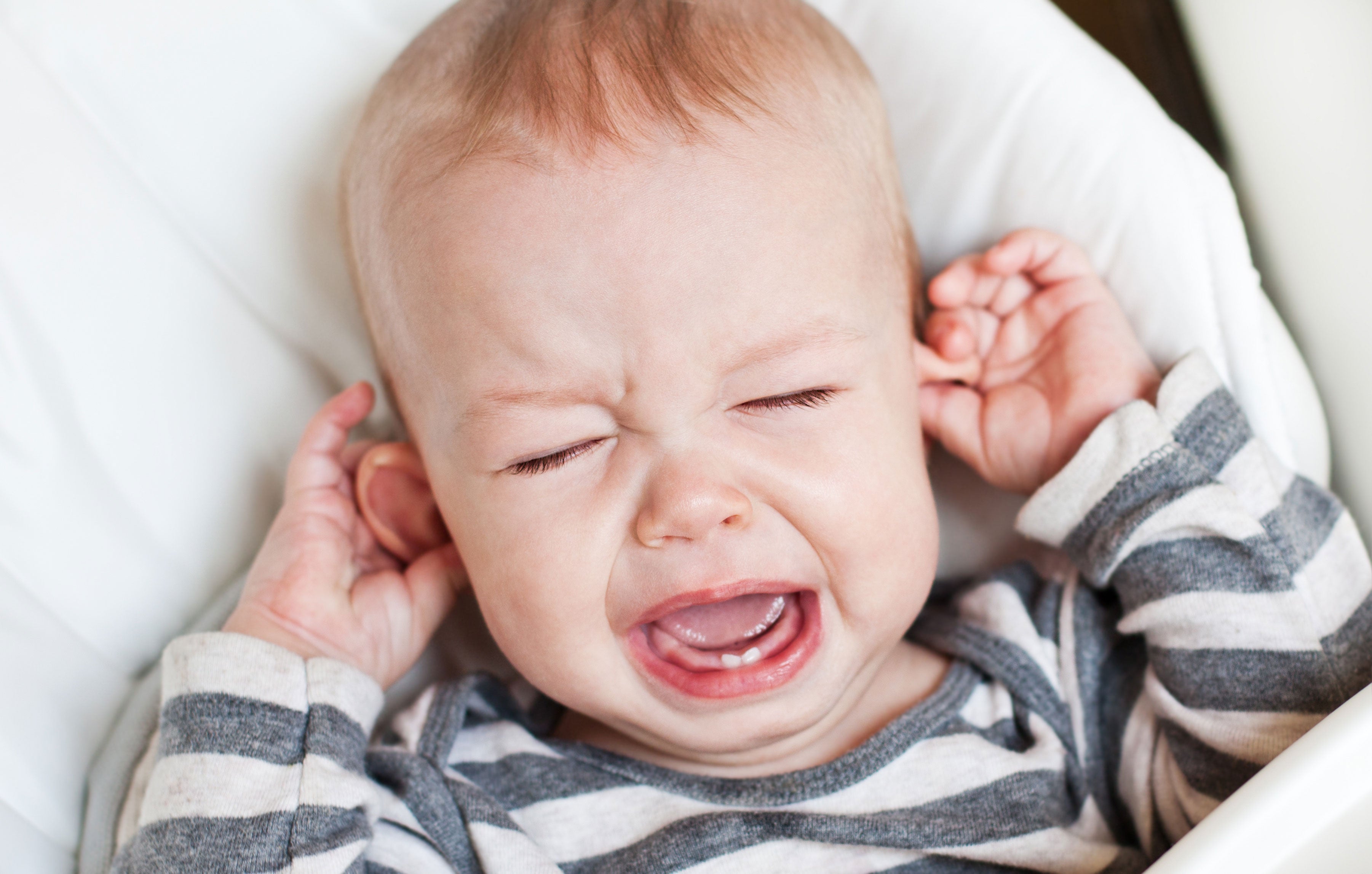
Three sides of the tooth. Simultaneously. Here's how.
A standard toothbrush has a flat, single-sided brush head. To clean a tooth properly with a standard brush, you need to angle it against the front surface, then reposition to the back, then angle again for the biting surface, three separate actions per tooth, requiring the kind of cooperative stillness that toddlers are famously not known for.
The ToothHugger's brush head is U-shaped, it curves around the tooth from three sides at once. When you place it over a tooth and make a short back-and-forth motion, the bristles simultaneously contact the front face, the back face, and the chewing surface. One motion. Three surfaces. Move to the next tooth.
The bristles are soft and rounded, gentle on sensitive toddler gums and enamel. They're also designed to flex rather than break when your toddler bites down which they will, because toddlers. The colour-change indicator means the blue bristles fade to white over approximately three months, giving you a clear visual cue that the brush needs replacing without having to remember when you last bought it.
How to use the Frida Baby ToothHugger
Parent Controlled Brushing (18months - 3 Years)
- Apply a smear of low-fluoride toddler toothpaste.
A pea-sized amount of low-fluoride toothpaste (not adult toothpaste) for children aged 18 months to 6 years. Toddlers swallow rather than spit, so fluoride level matters, always use toddler-formulated paste. - Position the brush head over the tooth.
Place the U-shaped brush head over one tooth at a time, wrapping it around the tooth so all three sides contact the surfaces. Start at the back molars where most plaque builds up. - Use a short back-and-forth motion.
A few gentle strokes per tooth is all that's needed, the triple-angle head covers all surfaces simultaneously. Work systematically around the mouth: outer back teeth, inner back teeth, front teeth. - Finish and rinse.
Let your toddler spit (or not — it's fine if they don't at this age). A small water rinse. Done.
This should take 60–90 seconds with a cooperative toddler and slightly longer if today is a protest day.
Teaching Toddlers to Brush Themselves (2-4 Years)
- Let them have a go first.
Give your toddler the brush and let them make the brushing motion themselves. This builds motor skills and gets them invested in the process. Their effort alone won't clean the teeth adequately, that's fine.
This step is about developing the habit. - You finish the job.
Follow up with proper parent-controlled brushing to ensure all surfaces are actually clean.
Frame it as "your turn, then my turn", toddlers respond well to structured turn-taking.
Questions? We've got answers.
When should I switch from the Fingerbrush to the ToothHugger?
Around 18 months — when your toddler has enough teeth to make a proper toothbrush practical and begins to develop the jaw strength and opinions that make the Fingerbrush less manageable. The ToothHugger's triple-angle head works well from 18 months through the early school years. There's no rush to switch if the Fingerbrush is still working well, but if brushing has become a battle, the speed of the ToothHugger often helps.
How does the triple-angle design actually clean better?
A standard flat toothbrush cleans one surface of a tooth at a time, you need to reposition for the front, the back, and the biting surface separately.
The ToothHugger's U-shaped head wraps around the tooth and contacts all three surfaces simultaneously in one motion. For a toddler who'll only tolerate 30 seconds of brushing, covering three surfaces at once instead of one makes a significant practical difference to actual cleaning coverage.
How often should I replace the ToothHugger?
Every three months, or when the colour-change indicator shows the blue bristles have faded significantly toward white — whichever comes first. Also replace immediately after any illness involving a cold, flu, or mouth infection. The colour-change indicator means you don't need to track the date — the brush tells you when it's done.
Can my toddler use it themselves?
Yes — with supervision, and with parents doing the effective cleaning. From around age 2, letting toddlers hold and "brush" themselves first (before you take over) builds both motor skills and buy-in. Their independent attempt won't clean the teeth adequately, that's fine and expected.
The Australian Dental Association recommends parents supervise and assist with tooth brushing until at least age 7–8, when children develop sufficient manual dexterity for independent effective brushing.
What toothpaste should I use with the ToothHugger?
A pea-sized amount of low-fluoride children's toothpaste (400–550 ppm fluoride) for toddlers aged 18 months and over. Never use adult toothpaste for children this age, adult fluoride levels are not appropriate for toddlers who swallow rather than spit. Low-fluoride children's toothpastes are available at Australian supermarkets and chemists. Ask your dentist if you're unsure which product is appropriate for your child's age.
Where can I buy the Frida Baby ToothHugger in Australia?
Available online at fridaaustralia.com.au with fast shipping across Australia. Also stocked at selected Australian retailers including Baby Bunting. Pairs naturally with the Frida Baby Fingerbrush, if your bub is still in the gum-and-first-teeth stage, the Fingerbrush is where the Frida Baby dental care journey starts.
More from the Frida Baby Range
-
 Frida Baby NoseFridaFrida Baby NoseFrida
- Regular price
-
$23.99 - Regular price
-
- Sale price
-
$23.99
Quick view
-
 Frida Baby SkinsootherFrida Baby Skinsoother
- Regular price
-
$22.99 - Regular price
-
- Sale price
-
$22.99
Quick view
-
 Frida Baby MediFridaFrida Baby MediFrida
- Regular price
-
$27.99 - Regular price
-
- Sale price
-
$27.99
Quick view
-
 Frida Baby 3-in-1 Nose, Nail & Ear PickerFrida Baby 3-in-1 Nose, Nail & Ear Picker
- Regular price
-
$21.99 - Regular price
-
- Sale price
-
$21.99
Quick view
-
 Frida Baby FingerbrushFrida Baby Fingerbrush
- Regular price
-
$16.99 - Regular price
-
- Sale price
-
$16.99
Quick view
-
 Frida Baby NoseFrida FiltersFrida Baby NoseFrida Filters
- Regular price
-
$11.99 - Regular price
-
- Sale price
-
$11.99
Quick view
-
 Frida Baby SnipperClipper SetFrida Baby SnipperClipper Set
- Regular price
-
$27.99 - Regular price
-
- Sale price
-
$27.99
Quick view
-
 Frida Baby ToothHugger (Yellow)Frida Baby ToothHugger (Yellow)
- Regular price
-
$16.99 - Regular price
-
- Sale price
-
$16.99
Quick view
-
 Frida Baby Flake FixerFrida Baby Flake Fixer
- Regular price
-
$27.99 - Regular price
-
- Sale price
-
$27.99
Quick view


